
Paver Re-Sanding in Morris & Passaic County, NJ
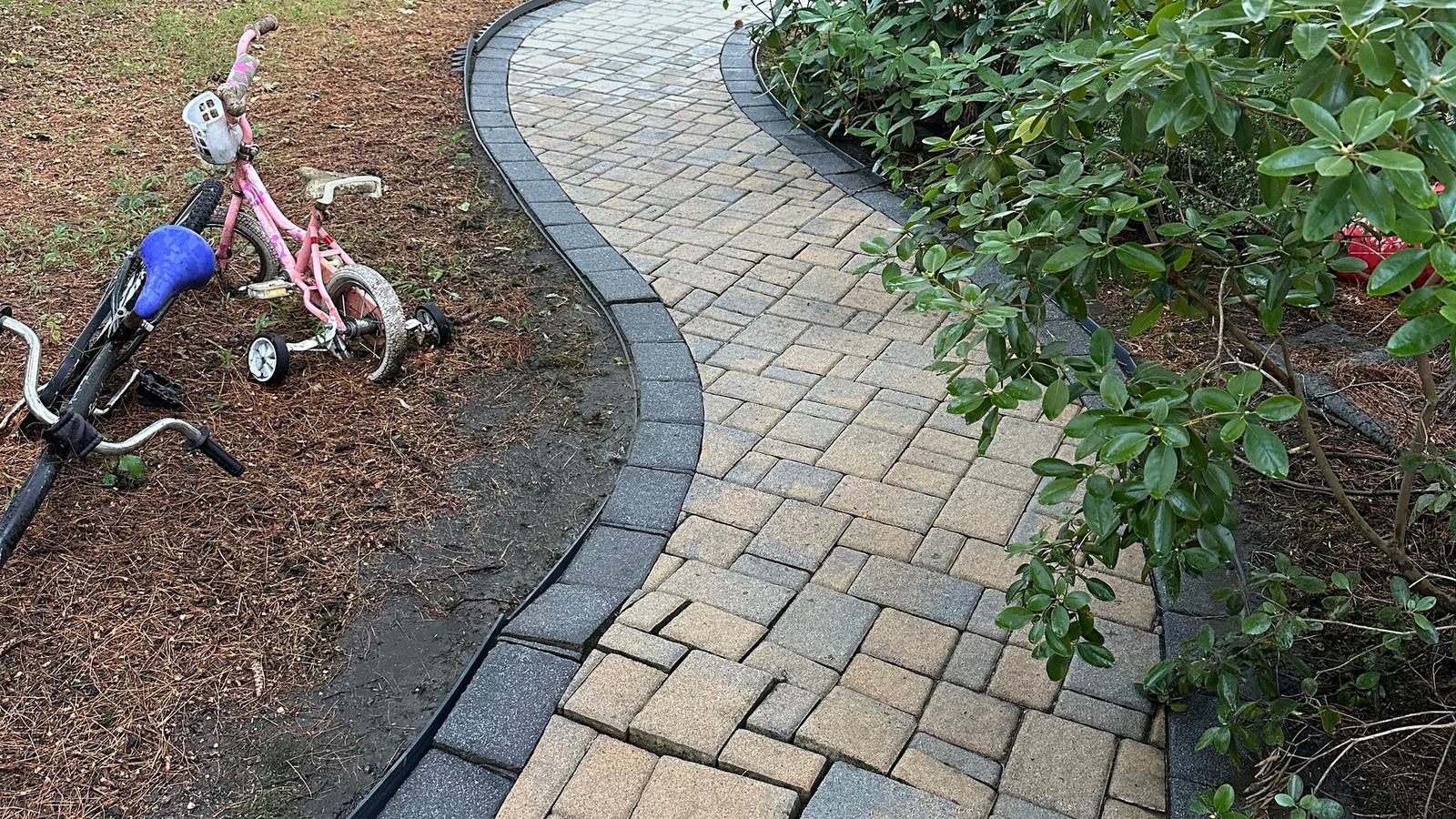
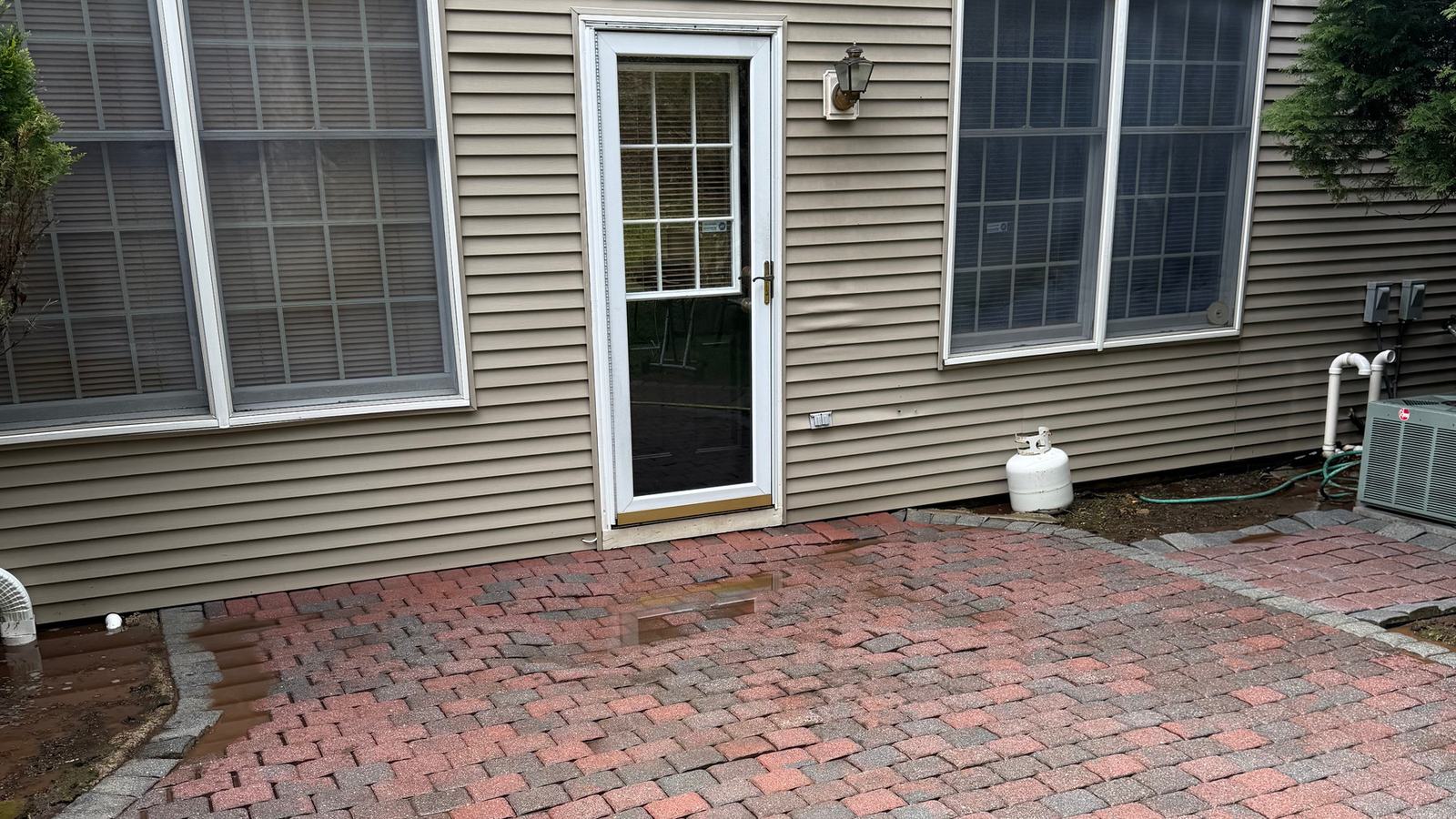
Polymeric sand swept back into the joints after cleaning, locking the pavers together and keeping weeds and moss out.
Estimates
Towns Served
Locally Owned
The Step That Makes Paver Cleaning Last
Joint sand is the part of a paver installation nobody thinks about until it is gone. It does two jobs: it locks the stones against each other so the field behaves like one surface instead of a few hundred loose pieces, and it fills the gap where weed seed and moss spore would otherwise take root.
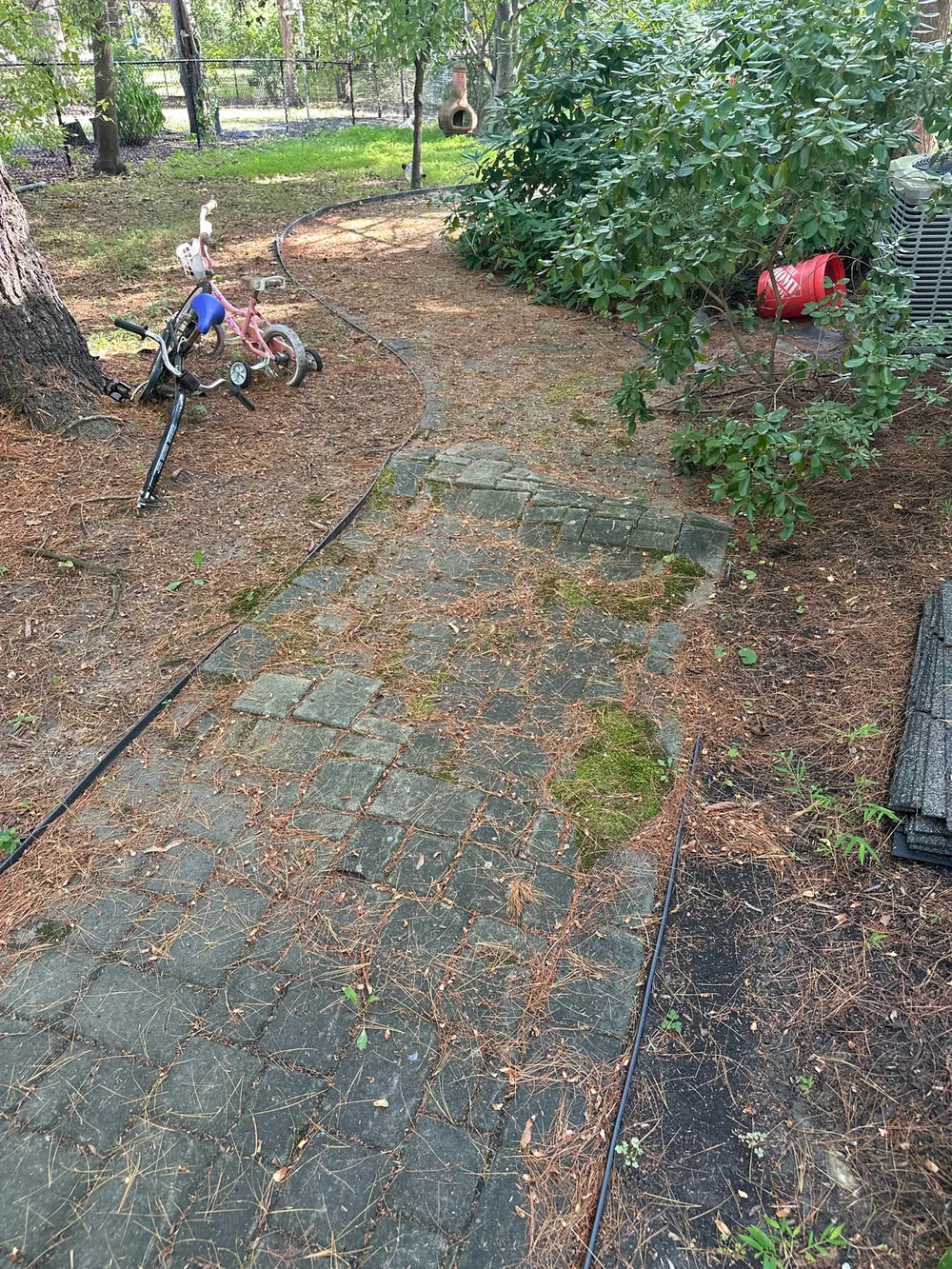
North Jersey weather strips it out steadily. Heavy summer downpours wash it toward the low end, freeze-thaw heaves it up over the winter, and every cleaning takes a little more. After ten or fifteen years the joints on a typical Morris County patio are half empty, which is exactly when the pavers start to rock underfoot and the weeds come through in force.
Re-sanding with polymeric sand fixes both problems in one pass. The sand goes in dry, gets swept and settled into the joints, and is then activated with a light mist so it binds into a firm, flexible joint that sheds water and resists growth. Done right after a proper cleaning, it is the difference between a patio that looks good this summer and one that looks good for years.

What Our Paver Re-Sanding Service Includes
Re-sanding is done after cleaning, on a fully dry surface. Service includes:
- Assessment of joint depth and paver condition
- Clearing of old sand, soil, moss, and weed root from the joints
- Application of polymeric sand, swept and settled to full joint depth
- Careful removal of residual sand from the paver faces
- Controlled activation so the sand sets without hazing the stone
- Patios, walkways, driveways, pool surrounds, and steps
- A final walkthrough with you
Most often booked together with paver cleaning as a single visit.
Free estimates. Call or text 973-897-1757.
Other Services We Offer
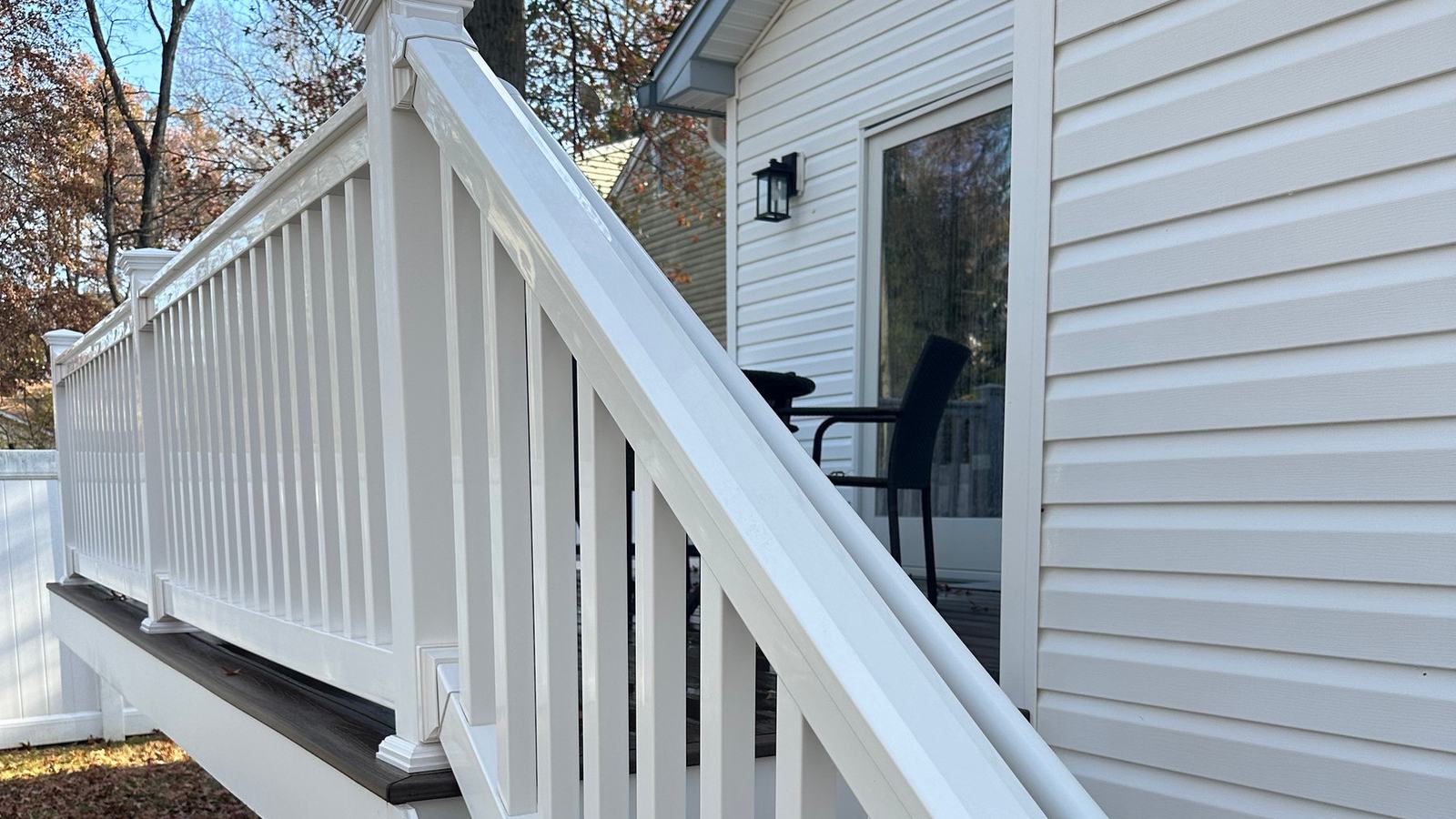
We do more than one thing. From house and roof washing to concrete, decks, gutters, and windows, every exterior surface on your property gets handled by the same local crew.

What sets us apart
We soft wash, we don't blast
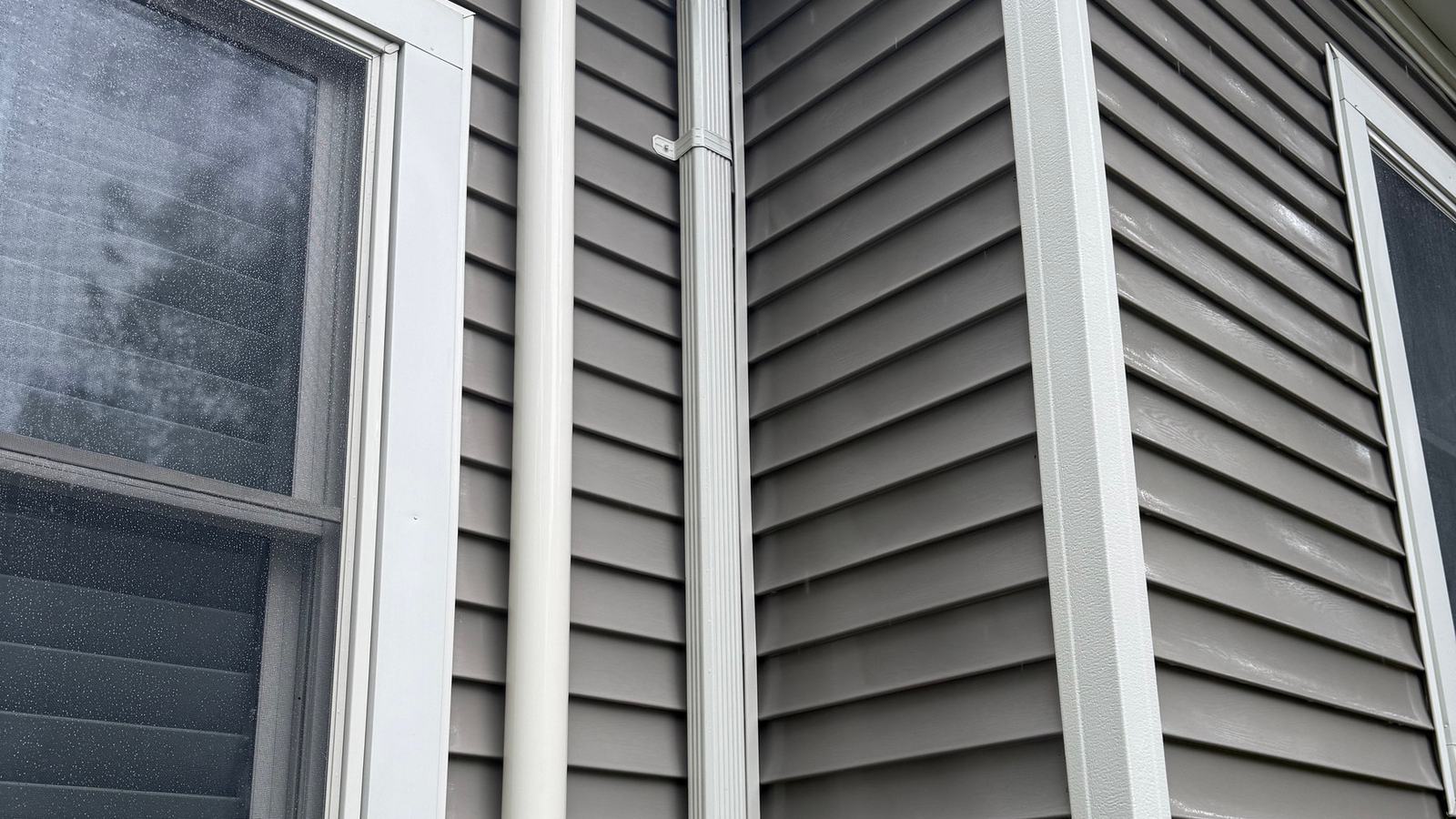
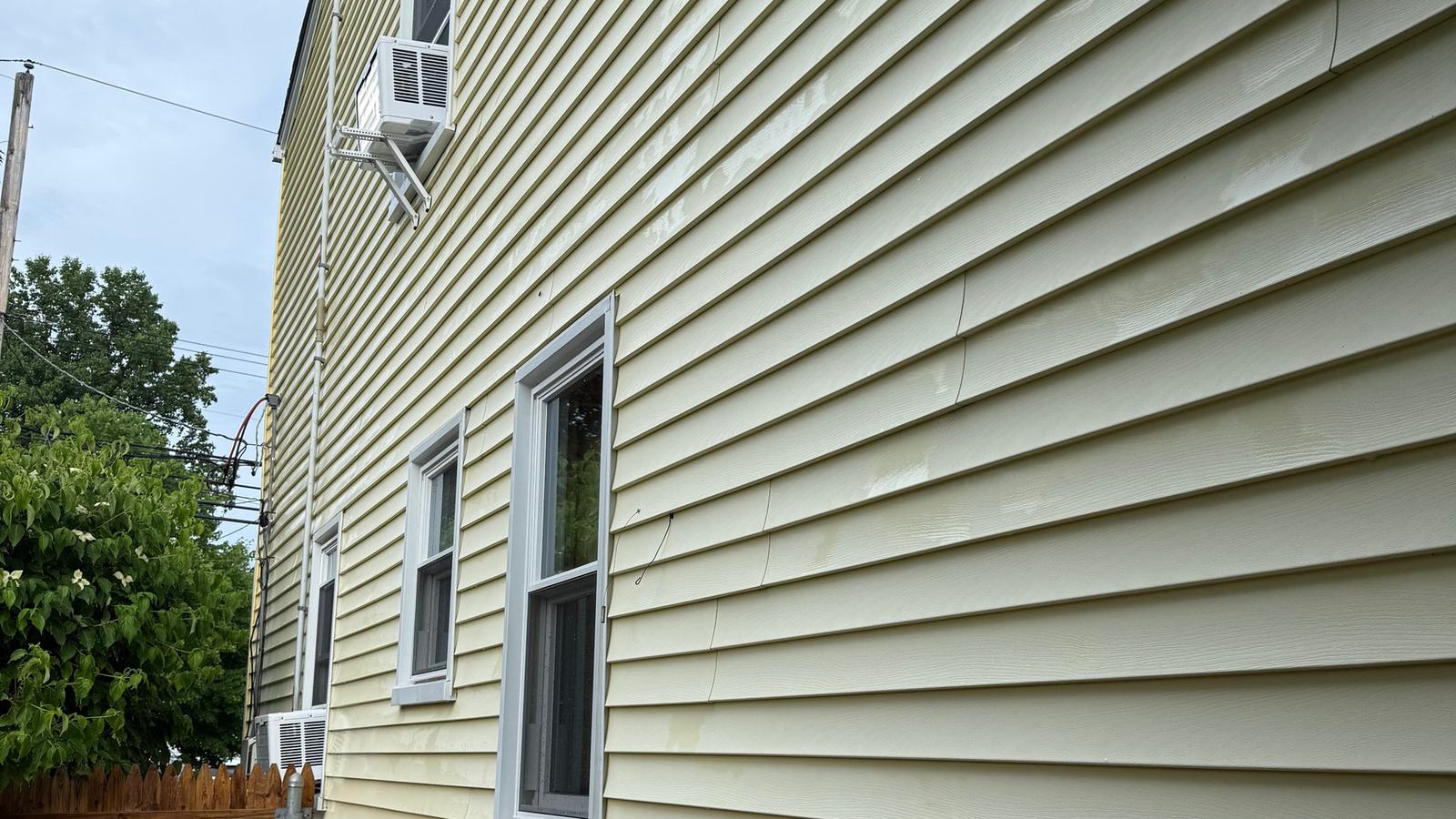
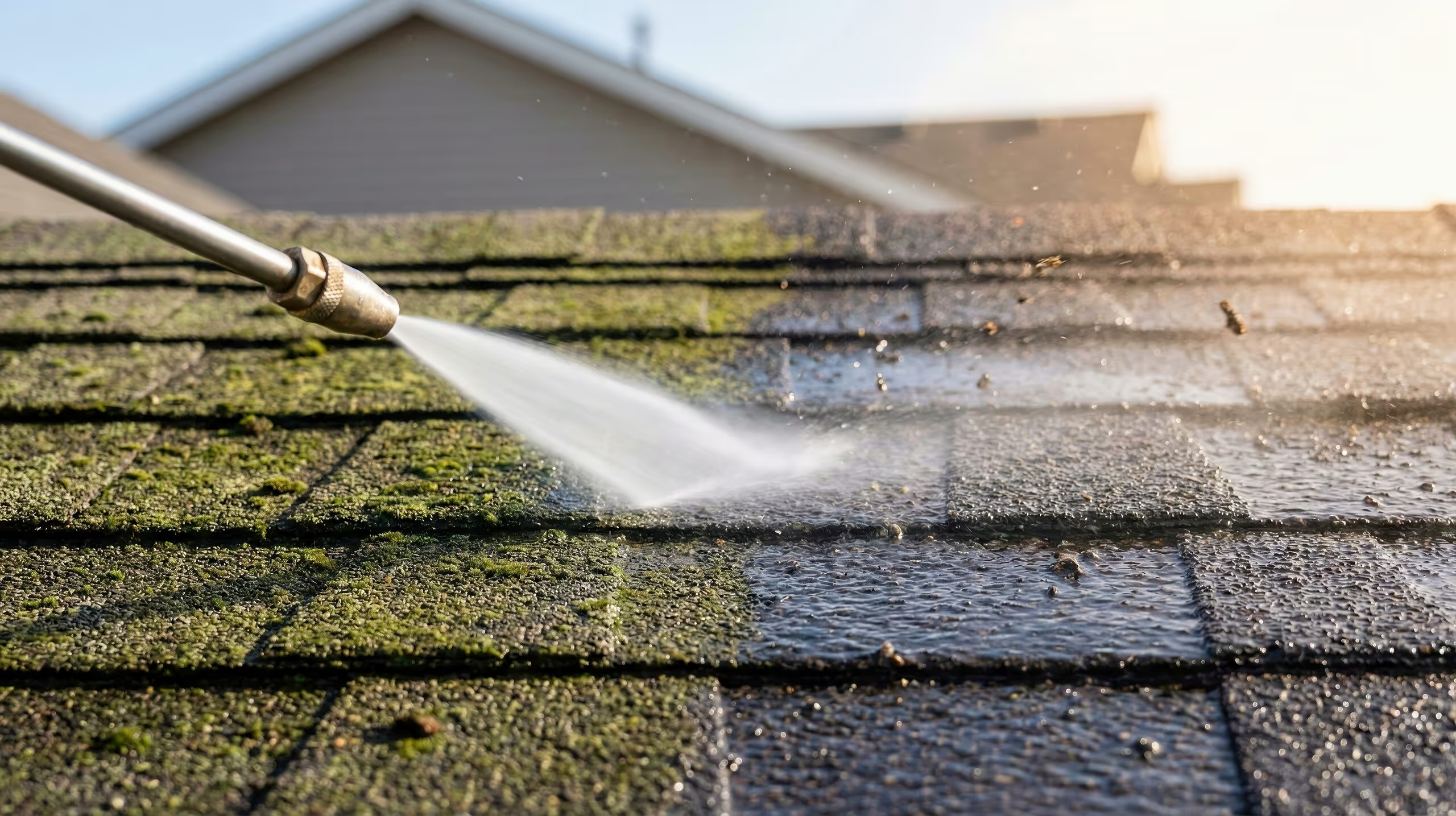
Siding and roofs get low pressure and the right cleaning solution, so the algae dies at the root instead of just getting knocked off the surface. That is the difference between a house that stays clean for years and one that greens up again by spring.
The right approach for every job
The right pressure and solution for every surface, from vinyl and cedar siding to shingles, pavers, concrete, and weathered wood. Hard surfaces take real pressure. Roofs and siding never do.
A real quote, fast
Tell us about your property, or email photos of each side of your home, and get a clear, detailed estimate back quickly. No vague 'starting at' numbers and no high-pressure sales visit.
Local to Pequannock
Owner-operated out of Pequannock, serving Morris and Passaic County, not a franchise routed in from out of town. We know what Jersey humidity and heavy tree cover do to siding and roofs here, because we clean them every day.
What Morris & Passaic County Homeowners Are Saying
Real reviews from real neighbors. See what homeowners and property managers say after we've washed their homes.

FAQs
Common questions about paver re-sanding in northern New Jersey.
Regular joint sand with a binder mixed in. It goes down dry, gets swept into the joints, and then a light mist activates the binder so it sets into a firm but slightly flexible joint. That flex matters in New Jersey, where freeze-thaw would crack anything rigid within a season or two.
Look at the joints. If you can see daylight down the side of a paver, or the gap is filled with soil and weeds instead of sand, the sand is gone. The other tell is a stone that rocks slightly underfoot. On a patio that's fifteen or twenty years old, it's usually both.
Done properly on a clean, dry joint, usually several years before it needs topping up. What shortens it is putting it down on a damp surface or into a joint that wasn't fully cleared first, which is why we don't rush that step.
Cleaning a paver patio and re-sanding the joints together generally runs $400 to $900, depending on square footage and how far gone the joints are. Cleaning on its own costs less, but we rarely recommend it alone, because an empty joint is a worse problem than a dirty one.
Polymeric sand is the larger part of the material cost. It also has to go down on a fully dry surface, so a combined job is usually two visits: clean one day, sand the next.
Pool surrounds and steps take longer per square foot than an open patio, since the coping and nosings need the most care.
Still have questions?
Give us a call or text us a few photos and we'll send a flat quote, usually within an hour.
Your best-looking exterior
is one call away.
Fast, free estimates by phone or text. We're booking 2026, and weekends fill first.